 Sliding
How Small-Batch Overseas Buyers Judge a Sliding-Hardware Factory: 5 Hard Metrics
Core business, production line, bearing/damper sourcing, sampling cooperation, export compliance — five hard metrics weed out most unsuitable factories.
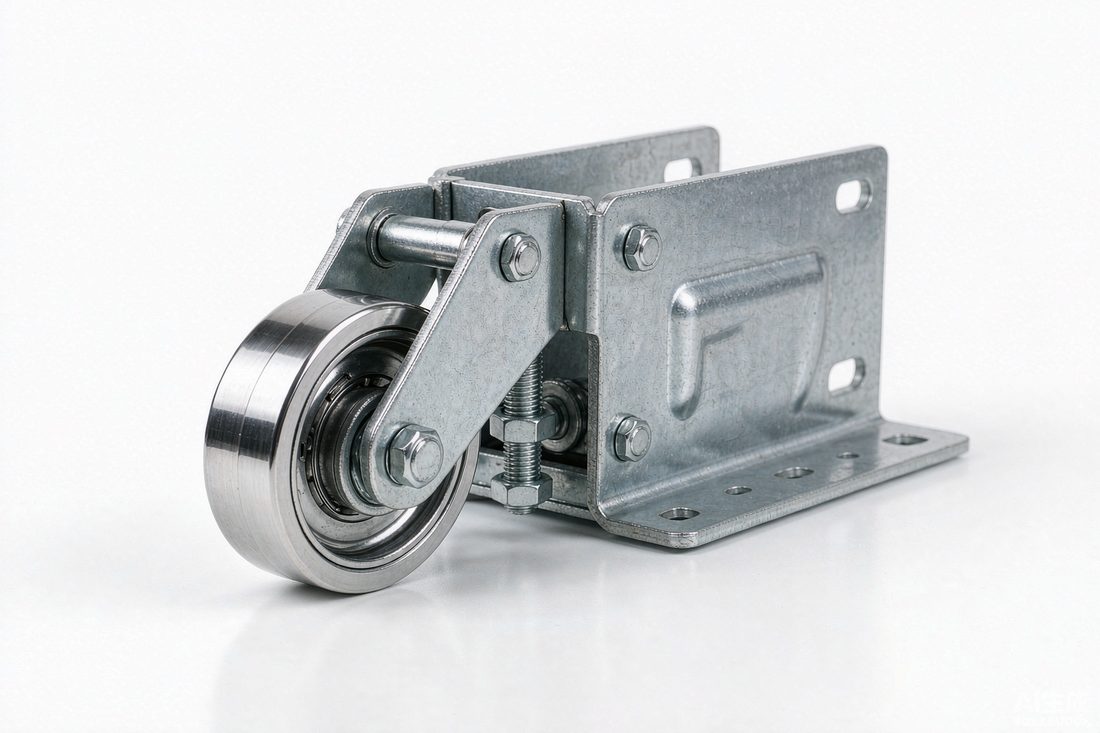
Looking for a sliding-hardware factory through a screen, the biggest fear is hitting a trading shell company or an unstable small workshop. Without spending on an audit first, verify these five hard metrics through public channels to weed out most unsuitable factories.
- Clear core business: does the business-license scope, official website and storefront focus on sliding-door hardware and door/window accessories? A generalist "does everything" factory usually has limited specialization.
- Evidence of own production line: site photos, workshop videos, equipment lists. If there are only office photos, it's most likely a middleman.
- Key-part sourcing: whether bearings and dampers come from a proper supply chain, or "self-produced and self-sold" with unclear origin. Key parts determine lifespan.
- Sampling cooperation: can they ship samples quickly, are they willing to modify per your drawings. Factories with chaotic sampling processes cost more in communication at the bulk stage.
- Export record and compliance: any export track record (carton marks, customer countries), can they provide CE and other documents required by the destination country.
Only after all the above pass should you move to a video or on-site audit. Reverse the order and you'll waste a lot of time on unsuitable factories.