 Sliding
When to Replace Sliding Rollers: A Self-Check List for Overseas Buyers
Noise, sticking and stiff damping are the three big signals; we give replacement-cycle references by usage frequency.
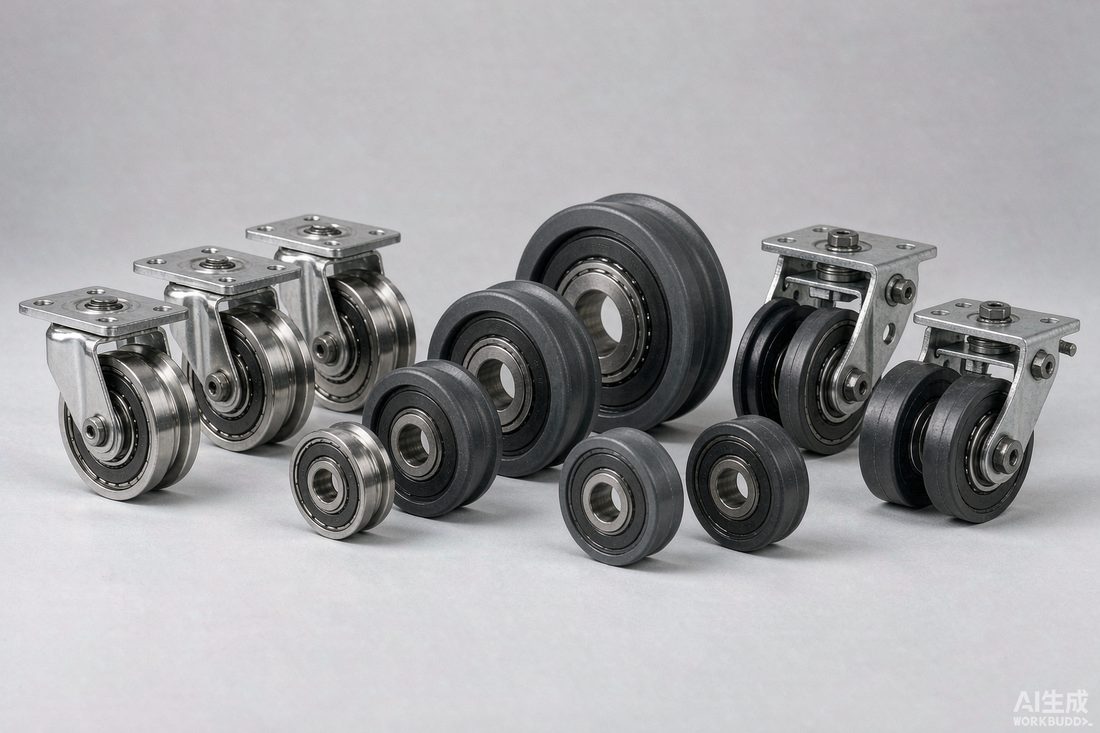
When a sliding door gets noisy or sticky over time, it's usually the rollers reaching end of life, not the door itself. Roller replacement is cheap and something you can judge yourself.
Three signals mean it's time to inspect the rollers:
- A "creak" or "click" when opening means the bearing is worn or has dust in it.
- Hard, uneven pushing — the wheel face may be worn unevenly or the bearing seized.
- The door sags and scrapes the floor — usually the wheels have worn down and lost height.
How to check: lift the door off (two people), spin the rollers — smooth and silent is normal; a grainy feel or play means replace. At the same time clear dust and debris from the track; most "broken rollers" are actually a dirty track.
Replacement-cycle reference: home low-frequency use 5–8 years; home high-frequency (walk-in closet opened 10+ times daily) 3–5 years; commercial 2–3 years. Coastal humid regions should replace a bit earlier.
When ordering spares, get the same-spec roller set from the factory by original door model, matching bearing size and wheel diameter. For bulk projects, keep 5–10% extra wear parts so later maintenance doesn't require a new order.